A land acknowledgement is more than words. These are the nations whose territory this is, the treaties this land is held under, and the history behind them — offered in the spirit of Truth and Reconciliation.
We wish to acknowledge this land on which we gather. For thousands of years it has been the traditional territory of the Erie, Neutral, Huron-Wendat, Haudenosaunee and Mississaugas.
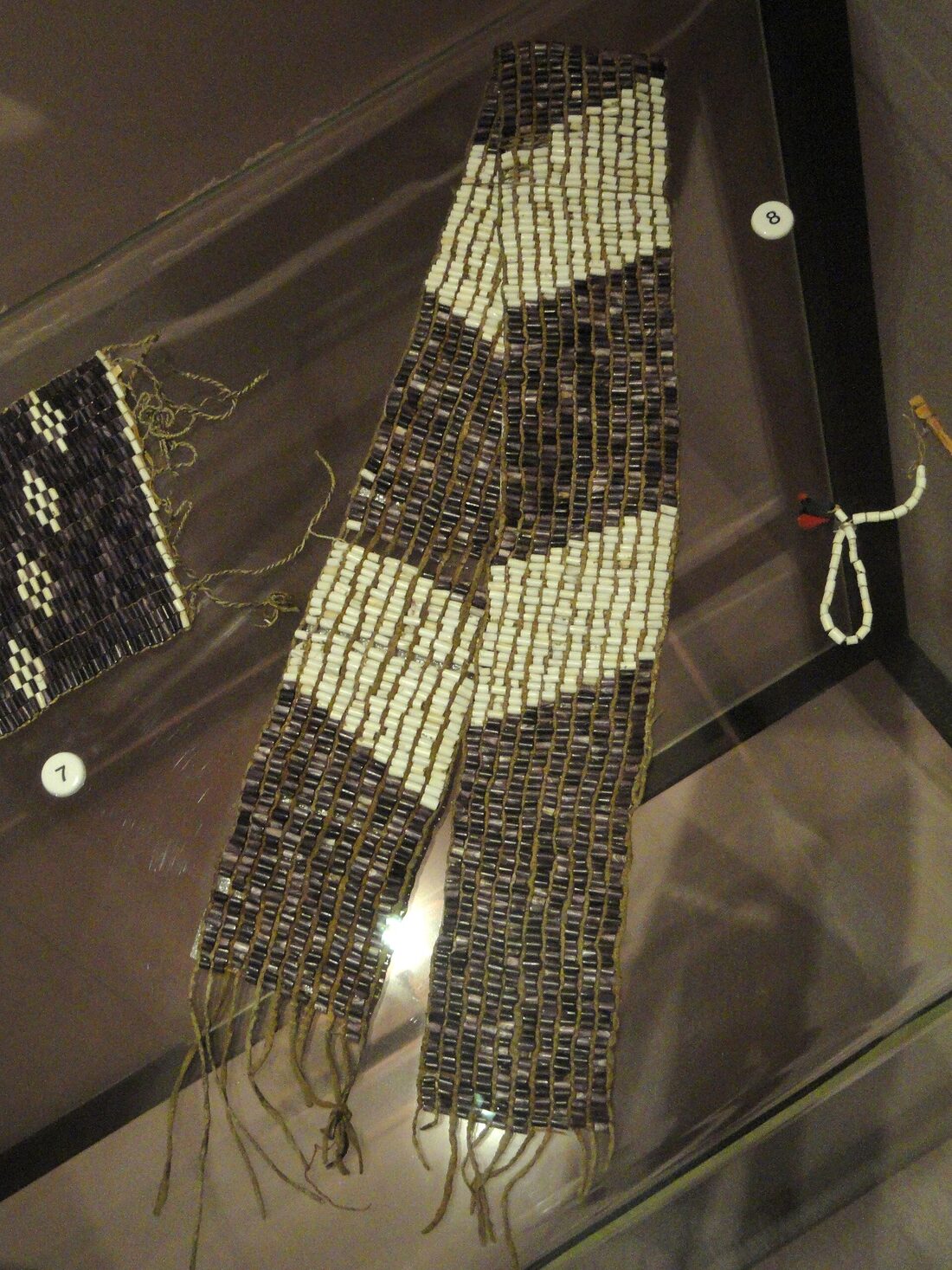
This land is covered by the Dish With One Spoon Wampum Belt Covenant, which was an agreement between the Haudenosaunee and Anishinaabek to share and care for the resources around the Great Lakes.
We further acknowledge that this land is covered by the Between the Lakes Purchase, 1792, between the Crown and the Mississaugas of the Credit First Nation. We recognize and deeply appreciate the historic connections of Indigenous peoples and their contributions in shaping and strengthening our province and our country.
As settlers we are committed to the promise of Truth and Reconciliation, partnership, and enhanced understanding.
Long before there was a Hamilton, people lived, farmed and gathered at the head of this lake — and they are here still. June is National Indigenous History Month, with National Indigenous Peoples Day on June 21: a fitting moment to walk the long story of this place. The map and timeline below trace it from the first peoples to today — honestly — including the treaties this land is held under, and the promises that were broken. The land acknowledgement at the top of this guide names these nations and treaties; what follows is the history behind those words.
As the last glaciers drew back, people followed the new forests and shorelines north into this region. The head of the lake — its marshes, creeks and escarpment — has been home to human communities ever since, for more than ten thousand years.
Learn more →
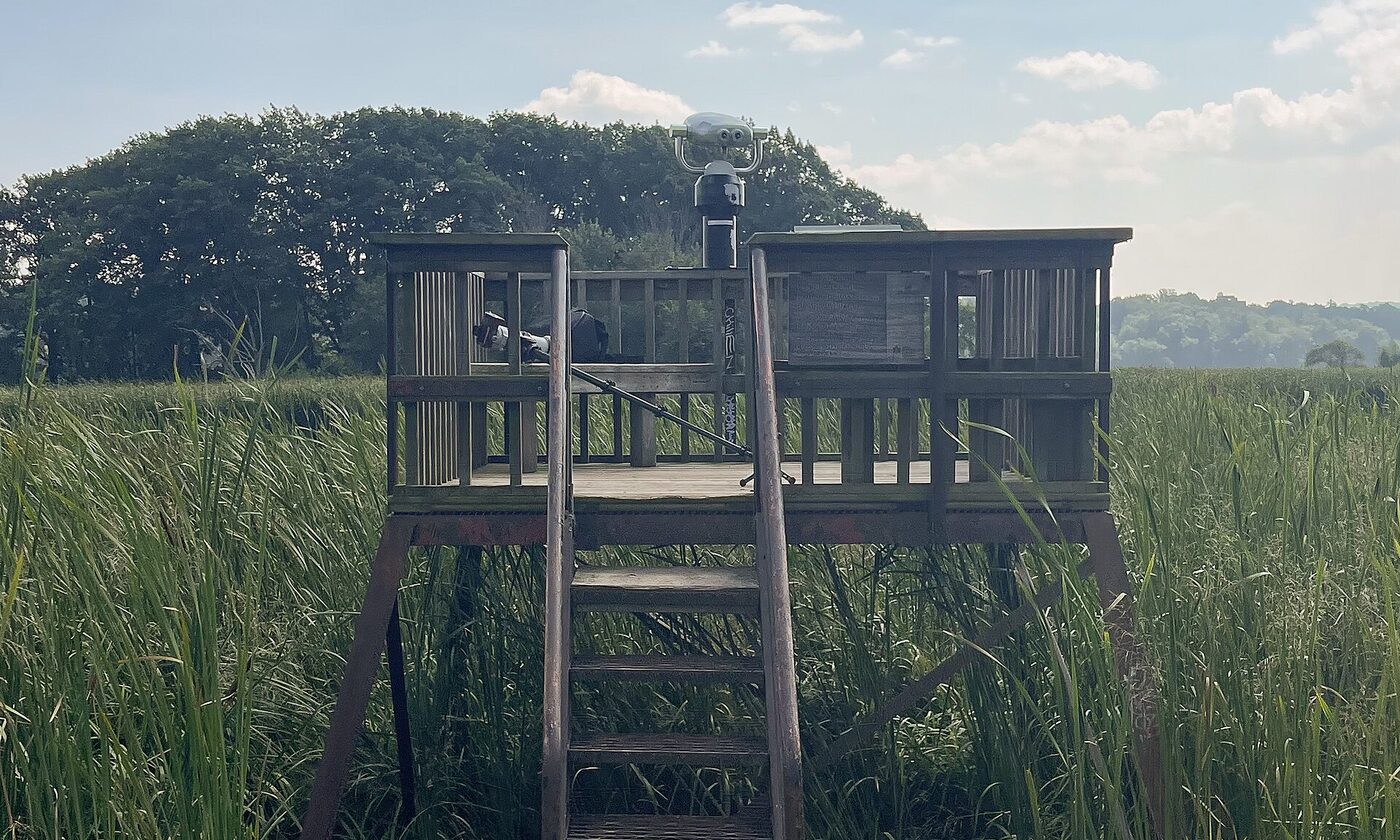
On the marsh shore at Cootes Paradise — the place archaeologists call Princess Point — Indigenous communities grew some of the earliest corn in what is now southern Ontario. It marks the turn toward settled farming life, right here at the head of the lake.
Learn more →
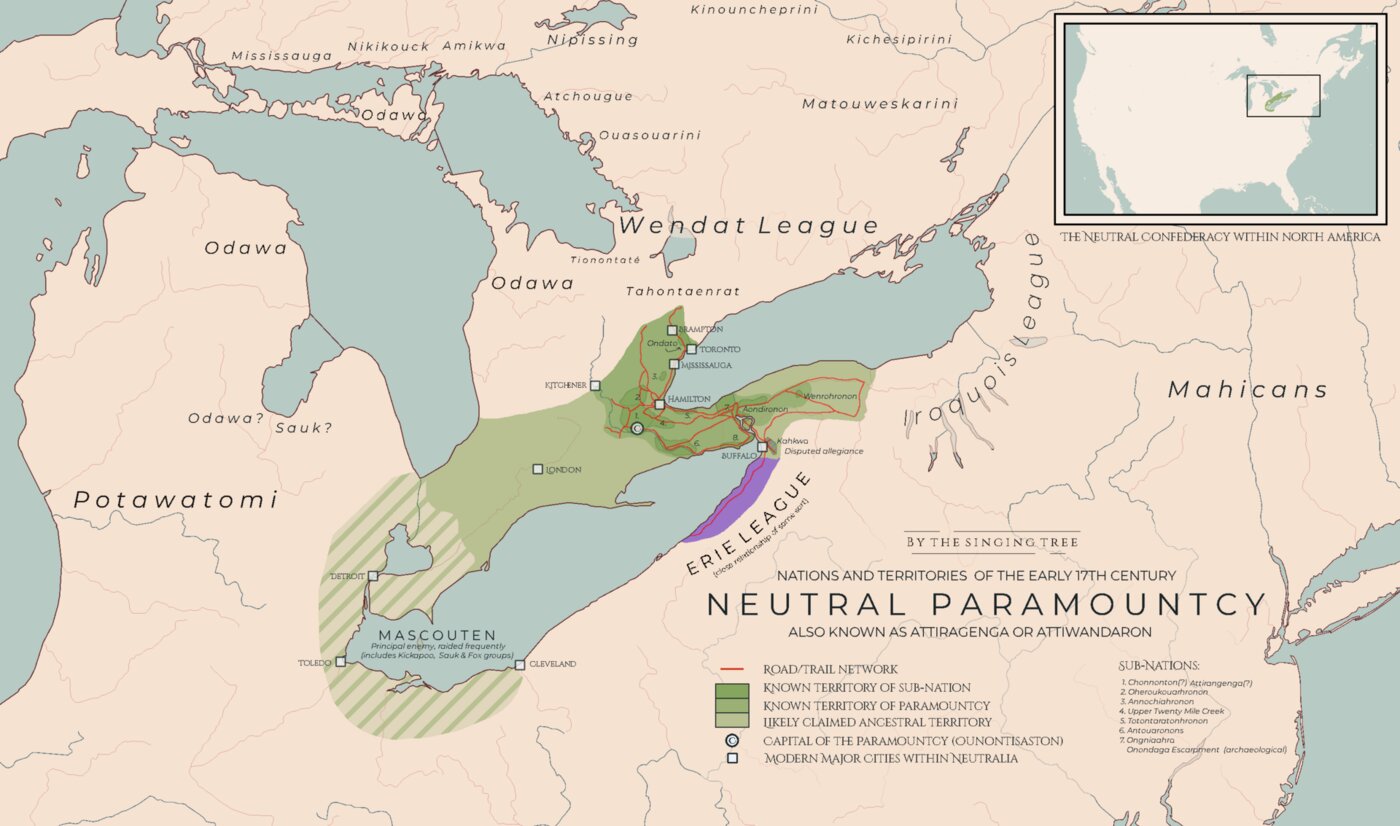
When Europeans first came, the head of the lake was the heart of the Neutral Confederacy — Attawandaron, who called themselves Chonnonton, “the people of the deer.” They farmed and traded from dozens of villages across this region; French traders named them “Neutral” for the peace they kept between the Wendat and the Haudenosaunee.
Learn more →In the upheaval of the seventeenth-century fur-trade wars, the Neutral were dispersed — many absorbed into the nations of the Haudenosaunee Confederacy. They did not vanish; their descendants live within those nations today.
Learn more →Through the early 1700s the Mississaugas — an Anishinaabe people — moved south to the north shore of Lake Ontario, including Burlington Bay and the Hamilton area. They were the nation holding this land when the first settlers came.
Learn more →
The Haudenosaunee and the Anishinaabe marked their shared use of these lands with the Dish With One Spoon — a wampum covenant to share the territory and its gifts, and to take only what you need so there is always enough. This land is still spoken of as Dish With One Spoon territory.
Learn more →
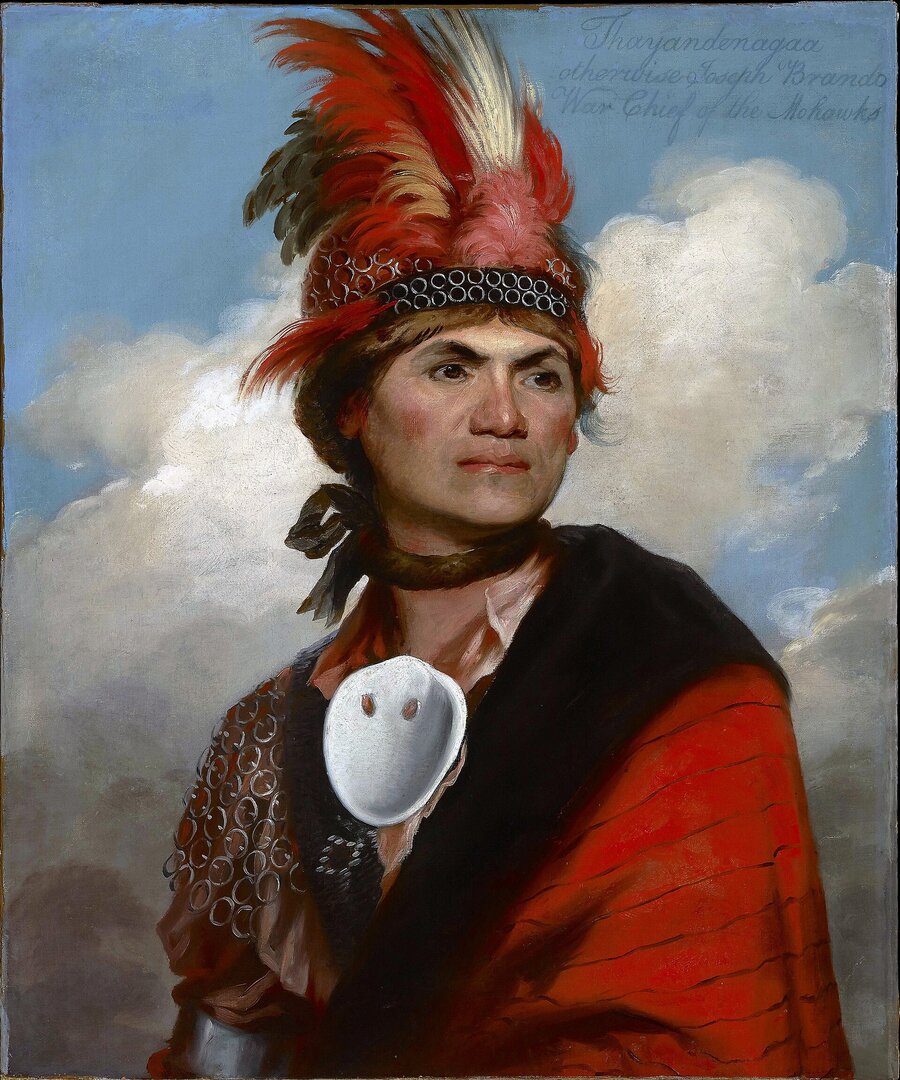
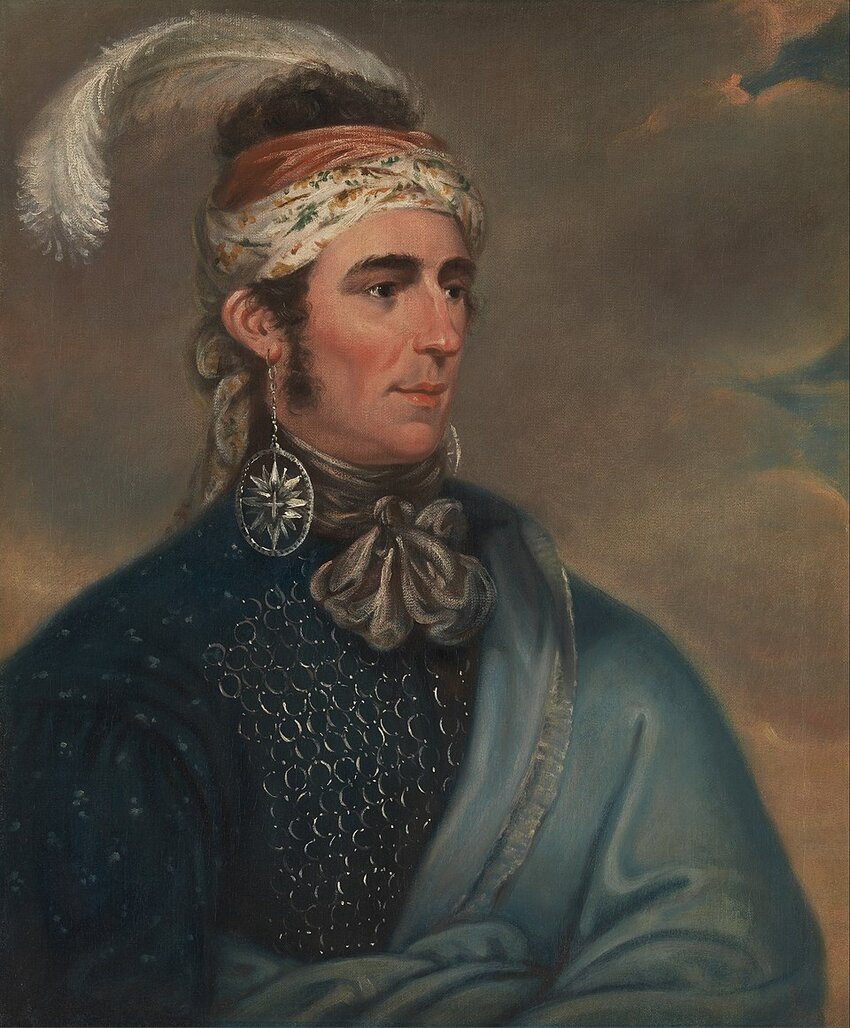
After the American Revolution the Crown granted the Six Nations roughly 950,000 acres — six miles on each side of the Grand River, from its mouth to its source — for their loyalty as British allies. Led in part by Mohawk war chief Joseph Brant (Thayendanegea), many of the Six Nations resettled along the Grand, a short drive from Hamilton.
Learn more →Present-day Hamilton is covered by the Between the Lakes Treaty (Treaty No. 3), made with the Mississaugas of the Credit and named in the City's land acknowledgement. The Mississaugas understood it as continuing to share the land; the Crown recorded it as a permanent surrender — a gap in understanding that shadowed much of what followed.
Learn more →As settlers crowded in and the Crown failed to secure their title, the Mississaugas of the Credit were pushed from their lands. In 1847 they accepted land offered by the Six Nations and resettled at New Credit, where the nation remains today. Of the Grand River lands granted in 1784, only about five per cent are still in Six Nations' hands.
Learn more →
A hard chapter — this entry touches on residential schools.
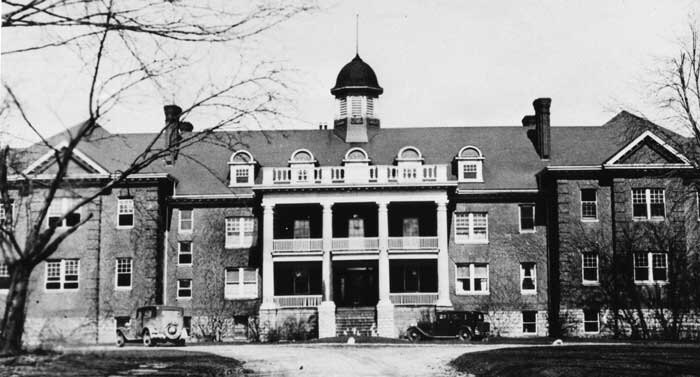
Truth and reconciliationFor well over a century the Mohawk Institute in Brantford was a residential school. Like the system across Canada, it took Indigenous children from their families and worked to cut them off from their languages and cultures. Today the site is the Woodland Cultural Centre, which keeps the building standing and tells the truth of what happened there.
Learn more →Hamilton is home to a vibrant urban Indigenous community. In 1972 that community founded the Hamilton Regional Indian Centre — a “gathering place” offering culture, language, and youth and family programs — which still serves thousands of people across the city today.
Learn more →Today the Six Nations of the Grand River is the largest First Nation by population in Canada, and the Mississaugas of the Credit remain a thriving nation at New Credit. Both carry on the long work of treaty rights and Land Back — as at 1492 Land Back Lane in 2020 — and both welcome visitors to learn. A few ways to do that, just below.
Learn more →The grand villas, the Gilded-Age castle and the battlefield in Historic Hamilton, just ahead, all stand on this same treaty land. The honest way to read the city's story is to hold both at once — the deep Indigenous history of this place, and the settler history built upon it.
The riverside home where the celebrated Mohawk poet and performer E. Pauline Johnson (Tekahionwake) was born in 1861. The graceful 1850s house is known for its two front doors — one facing the Grand River to welcome those arriving by canoe, one facing the road for visitors by carriage — built as a symbol of two cultures meeting as equals. Tours, grounds and the riverside Chiefswood Park.
The largest First Nations community in Canada, and a welcoming place to experience living Haudenosaunee culture. Six Nations Tourism runs a guided Grand River paddle that shares history out on the water; you can take in lacrosse — the Creator's Game, which began with these nations — or walk the Carolinian-forest Six Nations Trail.
A Haudenosaunee-led centre of art, language and education since 1972, in nearby Brantford. Its museum and galleries hold tens of thousands of works, and its exhibitions, performances and language programs celebrate and carry forward the living culture of the Grand River nations.